
Lock and key problems never seem to happen at convenient times. Whether you're rushing to work, coming home after a long day, or running errands around Maplewood, encountering a locksmith issue can quickly derail your plans and cause significant stress. Understanding common locksmith problems and their solutions can help you stay calm during these frustrating situations and know when it's time to call in professional help. At Maplewood Locksmith, serving the 54-20 Burnet St area and surrounding neighborhoods, we've seen just about every lock and key problem imaginable. In this comprehensive guide, we'll walk you through the most frequent locksmith issues homeowners and business owners face, along with practical solutions to get you back on track quickly and safely.
Getting Locked Out of Your Home
Home lockouts are among the most common reasons people contact locksmiths. It's an incredibly frustrating experience that can happen to anyone, regardless of how careful you typically are with your keys.
Why Home Lockouts Happen
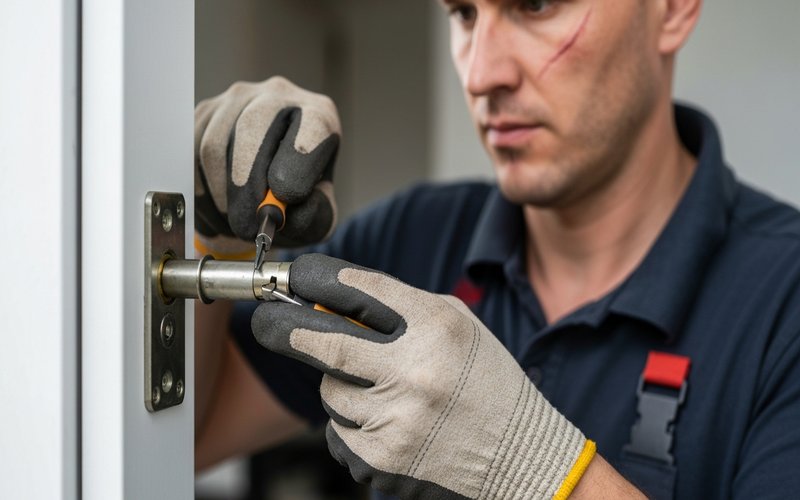
Lockouts occur for various reasons. Sometimes keys get left inside when you step out to grab the mail or take out the trash. Other times, keys fall out of pockets during your daily activities around Maplewood. Family members might accidentally lock the door with a security feature you weren't expecting, or you might simply forget where you placed your keys after a busy day.
Immediate Solutions
Before panicking, check all entry points to your home. Try the back door, garage entrance, or any windows you might have left unlocked. If you live with family members or roommates, contact them to see if they're nearby with a spare key. Check for any spare keys you might have hidden outside, though we generally don't recommend this practice for security reasons.
When to Call a Professional
If you've exhausted all self-help options, it's time to call a professional locksmith. Attempting to force entry, break windows, or pick locks yourself can result in expensive damage and potential injury. A qualified locksmith can gain entry quickly without damaging your locks or door frames. At Maplewood Locksmith, we provide emergency lockout services 24/7, ensuring you're never left stranded outside your home for long.
Prevention Tips
Consider giving a spare key to a trusted neighbor or family member in Maplewood. Install a keyless entry system or smart lock that allows access through codes or smartphone apps. Always do a quick pocket or purse check before closing the door behind you. Establish a consistent routine for where you place your keys when you enter your home.
Broken Keys Inside Locks
Few things are more aggravating than having your key break off inside a lock cylinder. This problem often occurs with older keys that have developed weak points or when excessive force is applied to a sticky lock.
Why Keys Break
Keys break for several reasons. Normal wear and tear over years of use creates tiny fractures in the metal. Using a key that's already bent or damaged puts stress on weak points. Forcing a key into a lock that's frozen, dirty, or misaligned can cause it to snap. Sometimes, cheaply made duplicate keys lack the strength of the original and break more easily.
DIY Extraction Methods
If a substantial portion of the key is protruding from the lock, you might be able to grip it with needle-nose pliers and carefully pull it straight out. Never twist or turn during extraction, as this can lodge the broken piece deeper. Some people have success using super glue on the end of a disposable key or stick, though this method requires patience and a steady hand.
Professional Extraction
For keys broken flush with the lock face or lodged deep within the cylinder, professional extraction is your best bet. Locksmiths have specialized tools designed specifically for this purpose, including broken key extractors in various sizes. We can remove the broken piece without damaging your lock mechanism, then create a new key on the spot so you can regain access immediately.
Preventing Future Breaks
Replace keys that show signs of wear, bending, or cracking before they fail completely. Have keys duplicated by professional locksmiths rather than automated kiosks, which often produce inferior copies. If your lock feels sticky or difficult to turn, address the problem rather than forcing it. Regular lock maintenance with graphite lubricant keeps mechanisms moving smoothly and reduces stress on keys.
Jammed or Sticky Locks
Locks that stick, jam, or become difficult to operate are frustrating problems that often worsen over time if left unaddressed. This issue affects both residential and commercial properties throughout Maplewood.
Common Causes
Dirt, dust, and debris accumulate inside lock cylinders over time, especially on exterior doors exposed to the elements. Cold weather can cause metal components to contract, making operation more difficult. Internal components can become misaligned due to foundation settling or door frame movement. Corrosion from moisture exposure affects coastal or humid climate areas. Sometimes the problem stems from a damaged or worn key rather than the lock itself.
Home Remedies
Start with cleaning. Use compressed air to blow out loose debris from the keyway. Apply a small amount of graphite powder lubricant specifically designed for locks—never use WD-40 or oil-based lubricants, which attract dirt. Work the key in and out several times to distribute the lubricant. If the door itself is misaligned, check if tightening the hinge screws improves operation.
When Professional Service Is Needed
If cleaning and lubrication don't resolve the issue, internal lock components may be worn or damaged. A professional locksmith can disassemble the lock, identify the problem, and either repair or replace necessary components. Sometimes the entire lock cylinder needs replacement, which a professional can handle quickly while ensuring everything is properly aligned and functioning.
Maintenance Schedule
Prevent sticky locks by establishing a regular maintenance routine. Clean and lubricate locks twice yearly, typically in spring and fall. Inspect keys for wear and replace them before problems develop. Check door alignment periodically, especially after seasonal temperature changes. Address small issues immediately before they become major problems.
Lost or Stolen Keys
Losing your keys or having them stolen creates both an immediate access problem and a potential security vulnerability that needs addressing quickly.
Immediate Steps
If you've lost your keys somewhere in Maplewood, retrace your steps and check with locations you recently visited. Many businesses keep lost-and-found items, and good Samaritans often turn in found keys. If your keys were stolen or lost with identification that includes your address, the situation requires urgent attention due to security concerns.
Security Considerations
When keys are lost or stolen, remember that you don't know who has them or where they might end up. If your keys included identification or were taken during a burglary, your home security has been compromised. Even if keys were simply misplaced, there's no guarantee someone won't find them and attempt to use them.
Rekeying vs. Replacement
For lost or stolen keys, rekeying is often the most cost-effective solution. This process involves changing the internal pins and springs of your existing locks so the old keys no longer work. New keys are provided that operate the rekeyed locks. Rekeying is significantly less expensive than replacing entire lock systems and can typically be completed in a single service call. However, if your locks are old, damaged, or low-quality, replacement might be the better long-term investment.
Master Key Systems
If you've lost keys to a business or rental property with a master key system, the situation becomes more complex. A professional locksmith can reconfigure your system to maintain master key functionality while rendering lost keys useless. This specialized service requires expertise with commercial lock systems.
Malfunctioning Smart Locks and Electronic Entry Systems
Modern electronic locks offer convenience and enhanced security features, but they come with their own unique set of problems that traditional mechanical locks don't face.
Common Electronic Lock Issues
Battery failure is the most frequent problem with electronic locks. Dead batteries can leave you locked out, though most quality smart locks provide low-battery warnings well in advance. Connectivity issues with Wi-Fi or Bluetooth can prevent remote access features from working. Software glitches occasionally cause keypads to freeze or become unresponsive. Physical damage to electronic components from weather exposure or impacts can disable the system.
Troubleshooting Steps
Start by replacing batteries if the lock is behaving erratically or won't respond. Check your smartphone's Bluetooth or Wi-Fi connection if remote features aren't working. Restart the lock by removing and reinstalling batteries. Verify that any associated apps are updated to the latest version. Check that your home's internet connection is working properly for Wi-Fi-enabled locks.
Backup Access Methods
Quality electronic locks include mechanical backup options. Familiarize yourself with your lock's emergency access method, whether it's a physical key override, a hidden external battery terminal, or a specific code sequence. Keep backup keys in a secure location separate from your primary residence. Test backup methods periodically to ensure they work when needed.
Professional Installation and Service
Improper installation causes many electronic lock problems. Professional installation ensures correct alignment, secure mounting, and proper configuration of all features. When electronic locks fail and troubleshooting doesn't resolve the issue, professional service can diagnose whether you're dealing with a simple configuration problem or a hardware failure requiring replacement.
Automotive Locksmith Problems
Car lockouts and key issues present unique challenges compared to residential and commercial lock problems, especially with modern vehicles featuring sophisticated security systems.
Locked Keys in Car
Leaving keys inside a locked vehicle happens more often than most people admit. Modern cars sometimes lock automatically when you exit, catching you off guard. Before calling for help, check all doors and the trunk—sometimes one remains unlocked. For older vehicles, you might try using a slim jim tool, but modern cars with side-impact airbags make this dangerous without proper training.
Transponder Key Issues
Most vehicles manufactured after 1995 use transponder keys with embedded chips that communicate with the car's immobilizer system. If the transponder fails or loses programming, the engine won't start even though the key turns in the ignition. Transponder problems require specialized equipment to diagnose and reprogram, making professional locksmith service essential.
Key Fob Malfunctions
When key fobs stop working, check the battery first—this solves the majority of cases. If battery replacement doesn't help, the fob might need reprogramming. Some vehicles allow owner programming following specific button sequences, while others require professional equipment. Physical damage to the fob's circuit board typically requires replacement.
Ignition Cylinder Problems
Ignition cylinders wear out from repeated use, eventually making key insertion difficult or preventing the key from turning. Forcing a key into a worn ignition can break the key or damage internal components. Professional automotive locksmiths can repair or replace ignition cylinders and create new keys to match, often at a fraction of dealership costs.
Commercial Lock and Security Issues
Business owners in Maplewood face unique locksmith challenges that differ from residential concerns, often with higher stakes when problems occur during business hours.
Employee Turnover and Key Control
When employees leave, especially if the departure is contentious, unreturned keys create security vulnerabilities. Rather than trying to track down every key ever issued, rekeying locks provides a clean slate. This is particularly important for businesses with multiple employees who have had key access over time. Implementing a master key system allows business owners to change individual locks without affecting their master access.
Panic Bar and Fire Exit Compliance
Commercial buildings must maintain properly functioning panic bars and fire exits to meet safety codes. Malfunctioning panic hardware creates serious liability issues and code violations. These specialized devices require professional service to ensure they meet current regulations while providing reliable security when not in emergency use.
Access Control Systems
Electronic access control systems for businesses occasionally malfunction, potentially locking employees out or failing to secure the building properly. Software updates, user permission changes, and hardware failures all require expertise beyond basic locksmith skills. Professional commercial locksmiths understand these complex systems and can provide quick repairs to minimize business disruption.
High-Security Lock Requirements
Businesses storing valuable inventory, sensitive data, or controlled substances need high-security locks that resist picking, drilling, and bumping. Installing and maintaining these specialized locks requires certification and expertise. Regular security audits help identify vulnerabilities before they're exploited.
Frozen Locks in Winter Weather
While New Jersey winters can be unpredictable, cold weather lock problems remain a common seasonal issue for Maplewood residents and business owners.
Why Locks Freeze
Moisture enters the lock cylinder through normal use and ambient humidity. When temperatures drop below freezing, this moisture turns to ice, preventing key insertion or operation. Exterior locks are particularly vulnerable, especially those on vehicles, sheds, garages, and entrance doors that face prevailing winds.
Safe Thawing Methods
Never use water to thaw a frozen lock, as this introduces more moisture that will refreeze. Instead, warm the key with a lighter or match, then carefully insert it into the lock. The heated metal will gradually melt the ice. Hand sanitizer containing alcohol can be squirted into the keyway, as alcohol has a much lower freezing point than water. Commercial lock de-icer sprays work quickly and are worth keeping on hand during winter months.
Dangerous Approaches to Avoid
Never force a key into or attempt to turn a frozen lock, as this can break the key or damage internal components. Don't use torches or excessive heat directly on the lock body, which can damage the cylinder and finish. Avoid spraying WD-40 or similar products, which may temporarily help but create long-term problems by attracting dirt.
Prevention Strategies
Before winter arrives, apply graphite lubricant to lock cylinders to repel moisture. Cover exterior locks with magnetic covers or tape to keep moisture out during storms. For vehicles, park in garages when possible. Keep de-icer and a spare key in your wallet or purse rather than only with your main keys.
Lock Bumping and Security Concerns
Lock bumping and other security vulnerabilities represent a different category of lock problem—one that affects your safety rather than just convenience.
Understanding Lock Bumping
Lock bumping uses specially cut keys and a striking motion to manipulate pin tumbler locks, potentially opening them in seconds without signs of forced entry. While traditional locks provide adequate security for most purposes, awareness of this vulnerability helps you make informed decisions about your security needs.
Signs Your Locks May Be Vulnerable
Older locks, particularly those installed more than 10-15 years ago, typically lack anti-bump features. Basic grade 3 residential locks offer minimal security and are more susceptible to bumping and other attacks. If you can't remember when your locks were installed or have no documentation of their security rating, they're probably due for evaluation.
Upgrading to High-Security Locks
High-security locks incorporate features that resist bumping, picking, and drilling. These locks use more complex pin configurations, hardened materials, and specialized keyways. While more expensive than standard residential locks, they provide significantly enhanced protection for homes in Maplewood. Professional locksmiths can assess your current security level and recommend appropriate upgrades based on your specific needs and budget.
Comprehensive Security Approach
Remember that locks are just one component of home security. Even the best locks become ineffective if installed in weak door frames or paired with hollow-core doors. Consider deadbolts with one-inch throws, reinforced strike plates with three-inch screws, and solid-core doors. A professional security assessment identifies all vulnerabilities, not just lock-related ones.
Worn or Damaged Lock Hardware
Locks don't last forever. Years of use eventually take their toll on mechanical components, leading to various performance issues.
Identifying Wear Signs
Keys that once operated smoothly now require wiggling or extra force. The lock cylinder feels loose in the door. Keys work inconsistently, sometimes turning easily and other times sticking. Visible wear appears on the key itself, with the teeth becoming rounded or uneven. The lock makes grinding or scraping sounds during operation. These signs indicate your locks are nearing the end of their service life.
Component Failure Types
Internal pins and springs wear down, causing keys to catch or slip. The cylinder housing itself can crack from temperature cycling or impact. Cam mechanisms that engage the bolt can strip or break. External components